What a New Well Costs Around Brainerd
The honest answer to “what does a well cost” is a range, and here's why: the two things that set the price — how deep we have to go and what the bit goes through — are underground. Anyone who gives you one exact number over the phone is guessing with your money.
Drilling and casing, per foot: $28–$50 through sand and gravel, $40–$60 through mixed glacial ground and till, $50–$65 through bedrock. That's the published Minnesota band, split by the ground it's drilling. Much of the lakes area is sandy glacial ground, which is the friendlier end of it.
The hole isn't the whole well. Completing it — pump, pressure tank, electrical hookup, and permit — adds $2,500–$5,500. Figure a complete well at $5,000 on the shallowest end, $10,500–$17,500 for the typical 200-foot well in mixed ground, and past $20,000 for a deep bedrock well — 300 feet of rock at $50–$65 a foot adds up before the completion package goes on. Your written estimate names your expected depth range and your per-foot rate, so the final number is arithmetic, not negotiation.
Put it against published numbers: complete 200-foot wells run $6,000–$16,000 in the national guides, and Minnesota's average complete system is about $15,500 at an average depth of 200 feet. Our ranges sit right in that country — because they're built from it.
Your written estimate will name an expected depth range and the per-foot rate for your ground, so the final number is arithmetic, not negotiation. Ready to see yours? Start with a well drilling conversation — we'll come look at the site first.
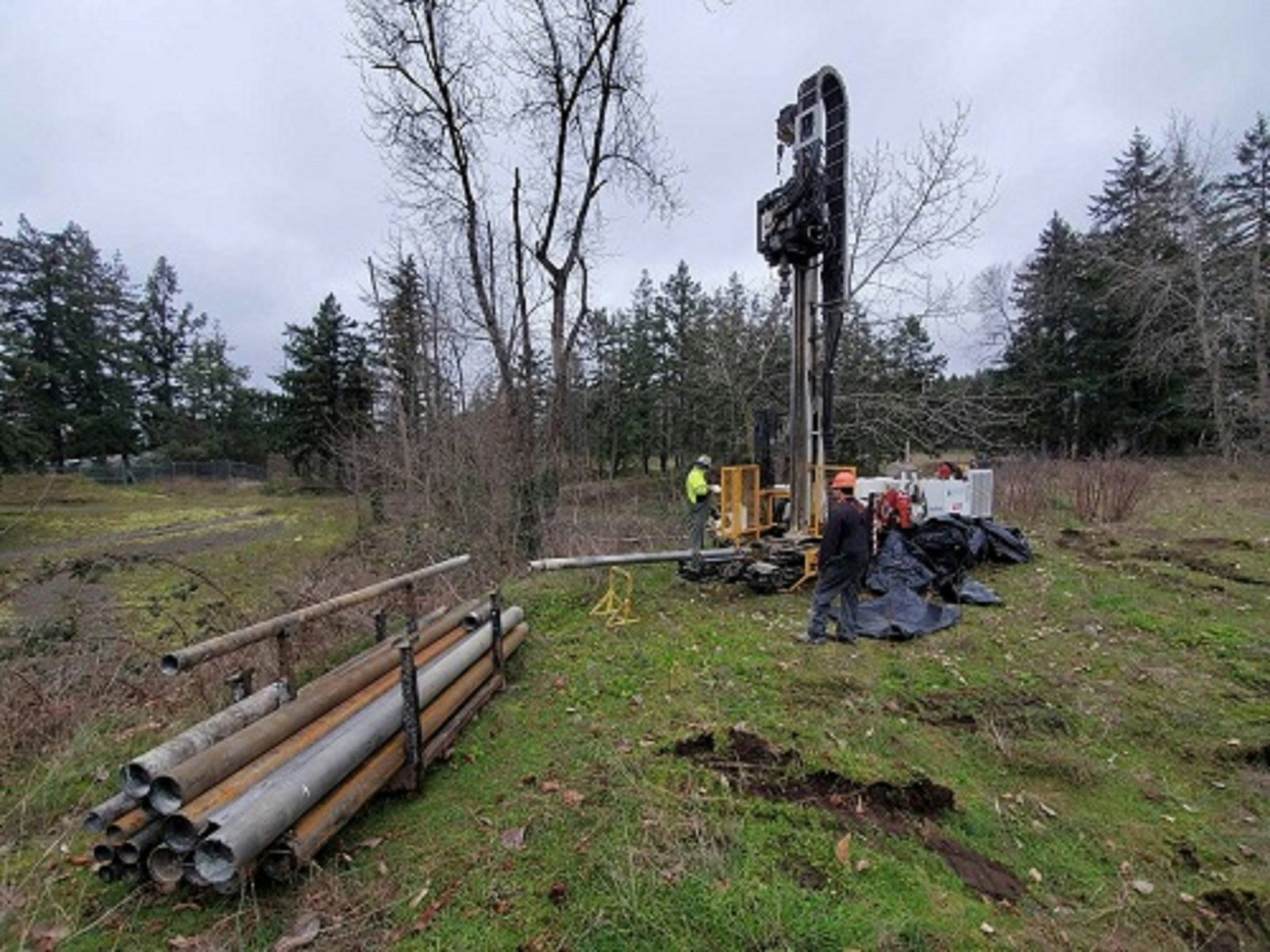
Well drilling cost per foot, line by line
- Sand & gravel: $28–$50 per foot — the glacial outwash much of the lakes area sits on
- Mixed glacial / till: $40–$60 per foot — sand, clay, and rock mixed together
- Bedrock: $50–$65 per foot — sandstone and limestone drill slow and eat bits
- Completion package: +$2,500–$5,500 — pump, pressure tank, electrical, permit
- Floor: a completed well doesn't exist under about $5,000, even a shallow sand well
The timeline is part of the cost
A new well takes 4–8 weeks from first call to water on. That's not the drilling — the drilling is days. It's permits, scheduling, and completion work, in that order, and it's the same for every honest driller in Minnesota. Plan a build or a closing around that number, not around a promise.
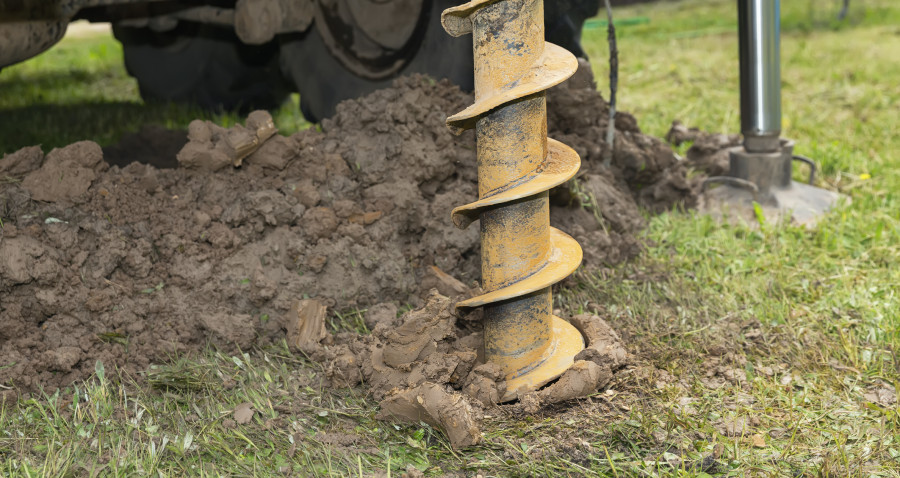
New well, or keep fixing the old one?
If your well still makes good water, a pump replacement at $1,000–$2,500 usually beats a new hole. If the well itself is failing — sand, low yield, a plugged screen — the new-well money is the honest spend. Compare on the well pump replacement page, or call and we'll talk it through.
Why is cost per foot different by ground type?
Bits, time, and wear. Sand drills fast and easy. Bedrock grinds bits down and slows the rig to a crawl. The rate follows the work, not the depth alone.
What's not in the complete-well price?
The line from the well into the house if your build needs a long one, and any water treatment beyond basic filtration. Both get priced in writing if your job needs them.
Is financing or phased payment a thing?
The estimate spells out the payment schedule before work starts — typically a deposit, a drilling payment, and the balance at completion. Ask us and we'll lay it out in writing.
How close can a well be to my septic?
Minnesota rules set minimum separations between a well and septic components. We site the well to code on the first visit — it's law, and it's also just protecting your own water.
Call (612) 260-8779 — we answer around the clock — or send the form and we'll call you back.